
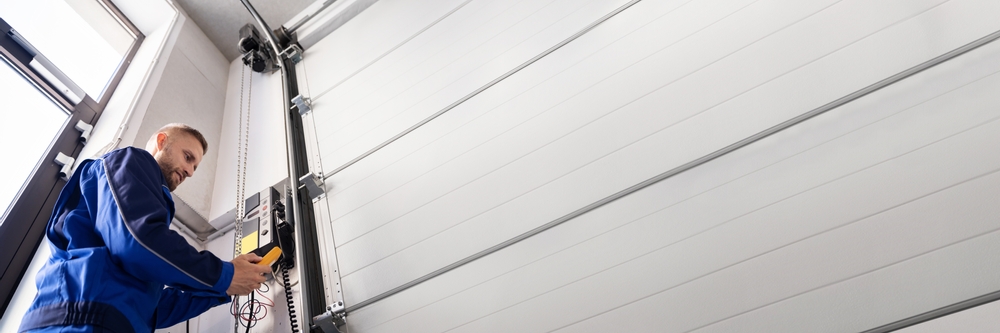
A derailed garage door is more than just an inconvenience. It can interrupt your routine, block access to your home, and create serious safety risks if left untreated. In places like Texas, where many homeowners rely on their garage door as the main entry point, a door that comes off track needs quick attention. In fact, safety data shows that around 20,000 people in the U.S. are treated in emergency rooms each year for garage door-related injuries, according to the U.S. Consumer Product Safety Commission. The good news is that most derailments do not happen suddenly without warning. They usually develop due to wear, misalignment, or mechanical strain over time.
A derailed garage door should always be treated as a mechanical warning rather than a one-time fault. When the system slips off its track, it often indicates deeper issues within the rollers, cables, or track alignment that have been developing over time. Addressing the problem early not only restores smooth operation but also helps prevent additional stress on the opener and other connected components, which can otherwise lead to more expensive repairs or full system failure.
Key Takeaways
- Garage doors usually derail due to track misalignment, worn rollers, or broken cables
- Early warning signs include uneven movement, grinding noises, and visible track gaps
- Safety precautions are essential before inspecting or handling any garage door issue
- Some problems can be handled with basic inspection, but structural damage needs expert repair
- Ignoring early symptoms often leads to higher repair costs and system failure
Why Garage Doors Go Off Track
A garage door system depends on precise alignment between tracks, rollers, and cables. When even one component fails, the door can lose balance and slip off its track. This does not usually happen without reason. It builds up gradually through repeated stress, lack of maintenance, or sudden impact, often tied to underlying structural issues like improper framing, which can be avoided with proper garage door frame construction.
Garage door derailments are one of the most common service calls in residential repair work. In most cases, technicians find a combination of worn rollers, loose brackets, or track misalignment caused by daily use rather than sudden failure. These issues are typically identified during routine service visits before they become full system breakdowns.
Track misalignment occurs when even a slight shift in the metal rails prevents smooth roller movement, creating resistance that gradually forces the door out of position
- Worn or damaged rollers reduce stability because these components carry the full weight of the door during every open and close cycle, leading to cracks, flattening, or breakage over time
- Broken or loose cables disrupt the balance of the entire system since cables work with springs to support the door’s weight, and failure often causes uneven lifting or tilting
- Accidental impact from vehicles or heavy objects can bend tracks or loosen mounting brackets, and even minor contact can develop into a full garage door off-track issue if not corrected early
When these issues are left unaddressed, the strain on the entire system increases with each use. What may begin as a minor alignment or wear problem can quickly develop into a complete derailment, making the door unsafe to operate and more expensive to repair.
Warning Signs Your Garage Door Is Off Track
Garage doors rarely fail without showing early signs. Paying attention to these symptoms can prevent full derailment and reduce repair costs. One of the first indicators is uneven movement. The door may rise or lower at an angle rather than move smoothly. This usually means one side is under more strain than the other, which is a clear sign of track or roller issues.
Unusual noise is another strong warning. Grinding, scraping, or loud squeaking often indicates that the rollers are no longer moving correctly inside the track. These sounds should never be ignored, as they often point to underlying maintenance issues that can worsen over time, especially when proper garage door maintenance is overlooked.
You may also notice visible gaps between the rollers and the track. This is a direct sign that the alignment has shifted. In some cases, the door may appear tilted or slightly hanging on one side. A more serious symptom is when the door gets stuck halfway or refuses to close completely. This situation often indicates that the system is out of balance and may lead to further damage if forced.
Bent tracks or loose hardware can often be seen during a simple visual inspection. These physical signs usually confirm that the system is no longer operating safely.
Common Warning Signs and What They Mean
Understanding these warning signs helps you identify developing issues before they turn into major garage door failures. Each symptom points to a specific mechanical problem that should be addressed early to maintain safe and smooth operation.
| Warning Sign | What It Usually Indicates | Risk Level |
| Uneven door movement | Track misalignment or roller imbalance | Medium |
| Grinding or squeaking noises | Worn rollers or friction inside tracks | Medium |
| Visible gaps between rollers and track | Loss of alignment or loose mounting | High |
| Door stuck halfway | System imbalance or cable/spring issue | High |
| Bent tracks or loose hardware | Physical damage to the track structure | Critical |
Recognizing these signs early can help prevent sudden system failure and reduce repair costs. Addressing small issues at the right time also improves the safety and long-term performance of your garage door system.
Preparing for Garage Door Inspection or Repair
Before attempting any inspection, safety should always come first. Garage doors are heavy and operate under tension, which means improper handling can lead to injury. Start by disconnecting the garage door opener. This prevents accidental activation while you are inspecting the system manually. It also ensures the door does not move unexpectedly during the process.
- Disconnect the garage door opener to prevent accidental movement during inspection
- Clear the surrounding area by removing vehicles, tools, and objects near the door for safe access
- Use basic tools such as a wrench, level, and pliers to check visible alignment and hardware condition
- Wear protective gear like gloves to avoid cuts or injuries from sharp metal edges or damaged components
A careful and controlled approach during inspection reduces the risk of injury. It also helps you clearly identify early signs of damage before attempting any corrective action.
When Professional Garage Door Repair Is Necessary
Some garage door problems are not suitable for DIY handling. When the issue involves structural damage, it is safer and more effective to rely on trained technicians.
- Severely bent tracks require precise realignment, as improper correction can cause recurring derailment or worsen the damage over time
- Broken springs need expert handling because they are under high tension and can cause serious injury if repaired without proper tools and training
- A door completely off track or multiple failing components indicates a system-wide issue that requires full professional inspection and repair
- Complex repairs often include realigning tracks, replacing rollers, and testing system balance to restore safe operation
- Professional garage door track repair helps ensure long-term stability and reduces the risk of repeated breakdowns
Proper diagnosis and repair by a technician ensure the system is restored safely. It also helps the garage door function reliably under regular use without recurring issues. In professional garage door service, repair begins with a full system inspection, including track alignment testing, roller condition check, and cable tension evaluation. Once the root cause is identified, technicians realign or replace components and test the door under load to ensure balanced movement before completion.
Understanding DIY Limitations in Garage Door Repair
While some minor maintenance tasks can be handled at home, garage door systems are mechanically complex. Without proper experience, it is easy to misdiagnose the problem or apply temporary fixes that do not last.
One limitation is the lack of specialized tools. Garage door alignment requires precision, and standard household tools may not be enough for accurate correction. Another issue is an incomplete understanding of the system. Garage doors rely on a balance between springs, cables, rollers, and tracks. Adjusting one part without understanding the rest can create additional problems.
Time is also a factor. Temporary fixes may appear effective but often fail under regular use, leading to repeated issues such as a garage door roller off track or uneven closing. Knowing when to stop and seek help is part of responsible maintenance. It protects both the system and your safety.
Restoring Safety and Performance in a Derailed Garage Door
A derailed garage door is usually a sign of underlying mechanical issues rather than a sudden failure. Problems such as worn rollers, misaligned tracks, or damaged cables typically develop over time and begin showing early warning signs before the system completely stops functioning. When these issues are ignored, they can lead to unsafe movement, difficulty operating the door, or a full system breakdown.
As experienced garage door repair professionals, we handle derailment issues caused by worn rollers, track damage, and cable imbalance across residential systems. Each repair is completed after proper alignment testing to ensure smooth, safe, and reliable operation. Our team works with a wide range of residential garage door systems and focuses on identifying the root cause of derailment, restoring correct alignment, and ensuring all components work together as a stable system. Proper inspection and repair not only fix the immediate issue but also help prevent recurring problems.
Ready to restore your garage door’s performance? Contact us today to schedule a service and get reliable repair you can trust.