
When most people think about garage doors, insulation probably isn’t the first thing that comes to mind. We usually focus on looks, durability, or whether the garage door opener runs quietly. But here’s the thing: garage door insulation can actually make a big difference for your comfort, your energy bills, and even the life of your door.
So, does garage door insulation work? The short answer is yes. And in this blog, we’ll break down why it matters and why many homeowners don’t realize the benefits until they experience them firsthand.
What Is Garage Door Insulation?
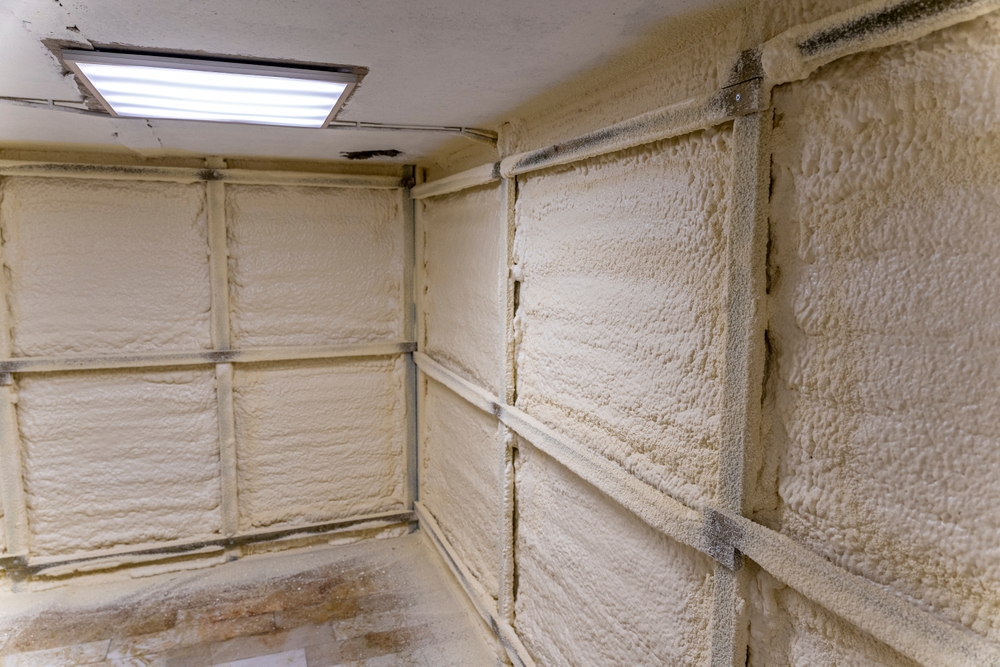
Garage door insulation is exactly what it sounds like: a system of layers of insulation added to your garage door to help control temperature and reduce noise. Think of it as wrapping your garage in a cozy blanket that keeps cold air out in the winter and hot air out in the summer.
Insulation works by slowing the transfer of heat, helping the garage maintain a consistent temperature instead of fluctuating wildly with outdoor weather. When comparing an insulated door to an uninsulated garage door, the difference is noticeable within days.
Common insulation materials include:
- Polystyrene: Lightweight, easy-to-install panels that provide moderate insulation.
- Polyurethane: Dense foam injected between door layers for excellent strength and insulation.
- Reflective barriers: Aluminum-based sheets that reflect radiant heat and help regulate garage door insulation temperature in hot climates.
All these materials contribute to a more comfortable, energy-efficient space.
Key Benefits of an Insulated Garage Door
Adding insulation to your garage door isn’t just about keeping the cold out; it comes with a bunch of perks you might not have considered. Here’s what you can expect:
| Benefit | Why It Matters |
| Better temperature control and energy efficiency | Keeps your garage closer to your home’s temperature, lowers energy bills, and makes the space comfortable year-round. |
| Reduced noise from outside | Acts as a buffer against street or neighborhood noise, making your garage and nearby rooms quieter. |
| Improved durability and door strength | Adds structure to your door, helping it resist dents, dings, and everyday wear and tear. |
| Boosted home value and comfort | Enhances curb appeal, adds practical value, and makes the garage a more comfortable space for projects or storage. |
When Garage Door Insulation Makes the Most Sense
Not every garage needs insulation, but in certain situations, it can make a huge difference. Here are a few cases where adding insulation really pays off:
Attached vs. detached garages
If your garage is attached to your home, insulation is especially important. Heat or cold from the garage can easily affect your living space, so keeping the garage insulated helps maintain a comfortable temperature inside your home. Detached garages don’t impact your home as much, but insulation can still make the space more usable.
Homes in extreme climates
Whether you live somewhere cold or scorching hot, insulation helps keep your garage more stable in temperature. That’s better for your car, stored items, and any temperature-sensitive tools or equipment.
Garages used as workshops or living spaces
If you spend a lot of time in your garage, working on projects, exercising, or even relaxing, insulation makes the space much more comfortable. It’s easier to focus, stay productive, and enjoy your garage without freezing or overheating.
Types of Insulated Garage Doors
Choosing the right insulated door depends on your climate, usage, and budget.
Steel, Aluminum, and Wood Doors
- Steel: Strong, low-maintenance, and excellent for insulation, often paired with polyurethane or polystyrene.
Aluminum: Lightweight and rust-resistant, but not as insulating; best for mild climates. - Wood: Beautiful but requires more maintenance and doesn’t insulate as well unless specially designed.
R-Value & Insulation Levels
The R-value tells you how well a door resists heat flow. Higher R-values mean better insulation and more energy efficiency. Most insulated doors fall between R-6 and R-17.
Some homeowners also ask how BDO insulated garage doors work, and the answer is similar: they use foam-filled layers to prevent heat transfer and improve door strength.
Choosing the right door and insulation level depends on your climate, how you use your garage, and your budget.
DIY vs Professional Insulation Installation
Installing insulation yourself can save money and be a fun project. But mistakes, poor cuts, gaps, or improper panel sizing can reduce effectiveness or even damage the door.
If you’re planning to upgrade to an insulated garage door, it also helps to know what to expect on installation day. Most homeowners are surprised to learn how long it takes to install a garage door, especially when insulation and door balance are involved.
Professional installation ensures:
- Proper fit and sealing
- Maximum energy efficiency
- Door balance and safety
- Recommendations tailored to your climate and door type
While it costs more upfront, professional installation typically provides better performance and longevity.
Garage Door Insulation Questions
How much energy can I save with an insulated garage door?
An insulated garage door helps keep heat in during the winter and out during the summer. If your garage is attached to your home, this can reduce the strain on your HVAC system and lower energy bills. The exact savings depend on your climate and the level of insulation in your garage and home.
Is insulating a garage door worth the cost?
Yes, especially if your garage is attached, used frequently, or in an area with extreme temperatures. The benefits include energy savings, improved comfort, noise reduction, and even increased home value.
Can I insulate my existing door, or do I need a new one?
Many existing doors can be retrofitted with insulation, though the ease and effectiveness depend on the door’s material and condition. Sometimes, a new insulated door may be the better option for maximum energy efficiency and durability.
Will insulation make my garage quieter?
Absolutely. Insulated doors act as a buffer, reducing noise from traffic, neighbors, and other outdoor sources. This can make your garage and even rooms nearby much quieter.
How long does garage door insulation last?
With proper installation, insulation can last for many years, often as long as the garage door itself. Professional installation tends to maximize longevity and performance.
Garage Door Insulation
Adding insulation to your garage door can make a real difference in comfort, energy efficiency, and noise reduction. From keeping your garage warmer in the winter to cooler in the summer, and even protecting your door from wear and tear, the benefits are clear. Whether you’re using your garage for storage, a workshop, or just parking your car, insulation can improve the space in multiple ways.
As a garage door service company in The Woodlands, we understand how proper insulation can transform your garage. Our team is experienced in helping homeowners choose the right materials and installation methods to maximize energy savings and durability.
Ready to make your garage more comfortable and efficient? Contact us today to schedule a consultation and see how an insulated garage door can benefit your home.