
A loud bang followed by a garage door that will not open smoothly is often the first sign of a broken torsion spring. These springs lift and lower the door while keeping it balanced, making everyday use safe and easy. When a spring fails, even a lightweight door can become heavy, move unpredictably, and create a serious safety risk.
According to the U.S. Consumer Product Safety Commission, garage door accidents send nearly 20,000 people to the emergency room each year. This guide explains what a torsion spring does, how to spot a broken spring, why springs fail, and the safest way to get them repaired. Following the right steps helps keep your garage door reliable and your home protected.
Understanding Torsion Springs
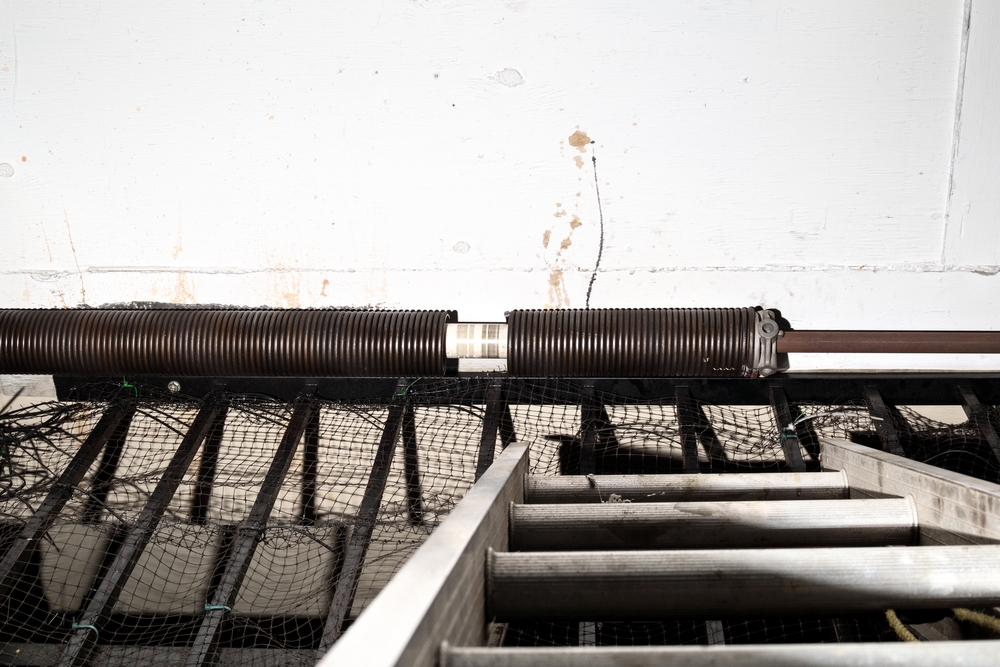
A torsion spring is a metal coil installed above the garage door. Its job is to store mechanical energy and use that energy to lift the heavy door with ease. Each time the door opens or closes, the spring winds or unwinds, balancing the door’s weight.
Torsion springs provide smoother and more controlled movement than extension springs. They offer smoother, more controlled movement because they rotate around a metal shaft instead of stretching outward.
A properly working torsion spring is essential for safe operation. Without it, even a lightweight door becomes difficult to lift and may move unpredictably, increasing the risk of injury or property damage.
How to Tell If Your Garage Door Torsion Spring Is Broken
A broken torsion spring is often easy to spot. Here are the most common warning signs:
- The garage door feels unusually heavy: If the door suddenly takes much more effort to lift, the torsion spring may have failed.
- You hear a loud bang: If you hear a loud bang, similar to a firecracker sound, the torsion spring may have snapped as it released tension.
- You see a visible gap in the spring: If there is a noticeable separation in the coil, the torsion spring has broken, and the metal has split.
If you notice any of these signs, stop using the garage door immediately. A broken torsion spring makes the door unstable and unsafe. Contact a trained technician for proper repair.
Why Torsion Springs Break on Garage Doors
Torsion springs endure constant tension and are subjected to repeated cycles of stress, so wear and tear are inevitable. However, several factors can accelerate the degradation of the spring, leading to failure. Here are the most common reasons for a broken torsion spring:
Normal Wear and Tear on Torsion Springs Over Time
Each time the garage door opens and closes, the torsion spring is wound and unwound, putting it under significant stress. Over time, these cycles weaken the spring’s metal, gradually causing it to lose its ability to hold the tension required for proper operation.
Springs have a set cycle life, typically rated for around 10,000 to 20,000 cycles. Once this threshold is reached, the spring will begin to show signs of wear, which may lead to it snapping.
Rust and Corrosion on Torsion Springs
Environmental factors like moisture, humidity, dust, and extreme temperature changes can cause rust and corrosion to form on the spring. Rusting weakens the metal structure, making it more susceptible to breakage.
Corroded springs are far more likely to break because the metal becomes brittle. Regular exposure to moisture and a lack of protection (like lubrication) significantly shortens the lifespan of the spring.
Incorrect Torsion Spring Size
If the torsion spring is too strong or too weak for the garage door it’s designed to support, it can lead to premature failure. A spring that’s too weak won’t be able to handle the weight of the door, while a spring that’s too strong may overstress and deform over time.
Both scenarios lead to quicker wear and can result in spring failure much sooner than expected. Proper spring sizing, based on the door’s weight, size, and usage, is essential for ensuring the longevity of the spring.
Lack of Torsion Spring Maintenance (Lubrication and Inspection)
Torsion springs require regular maintenance to keep them functioning properly. Routine inspections and lubrication help reduce friction, which can wear down the metal over time. Lubricating the spring also helps to prevent rust and corrosion.
Failure to maintain the spring can lead to excessive friction, rust buildup, and quicker wear. Without lubrication, the spring will work harder than necessary and is more likely to snap under pressure.
Improper Installation of Torsion Springs
If a torsion spring is installed incorrectly, it can lead to uneven tension, improper distribution of force, or excessive strain on certain areas of the spring. This uneven wear can cause the spring to break prematurely.
Incorrect installation can also lead to the spring not being able to support the weight of the door properly, resulting in early failure.
Door Imbalance or Misalignment Affecting Torsion Springs
A misaligned or unbalanced garage door can cause uneven tension on the torsion spring. This imbalance often occurs when rollers, tracks, or other door components become damaged or misaligned.
When the door is not properly balanced, it places extra strain on the torsion spring, which can cause it to wear out more quickly or snap unexpectedly. This is why it’s important to ensure that the entire garage door system is aligned and functioning properly.
Overloaded Garage Door Straining Torsion Springs
Overloading the garage door with excessive weight, such as heavy garage door insulation or items being hung on the door, can put additional stress on the torsion spring.
The torsion spring is designed to handle a certain weight limit. Exceeding this limit forces the spring to carry more weight than it’s designed for, leading to a quicker breakdown.
Is It Safe to Use a Garage Door With a Broken Spring?
No, it is not safe to use a garage door with a broken torsion spring. The spring supports most of the door’s weight. When it breaks, the door becomes extremely heavy and can fall without warning.
Using the door in this condition can cause injury and damage the garage door opener. If you notice heavy movement, uneven lifting, or unusual noises, stop using the door and schedule professional repair.
How to Fix a Broken Torsion Spring
DIY or Not?
For most people, repairing a torsion spring on your own is strongly discouraged. These springs store significant tension. A simple slip during loosening or tightening can cause the bar to snap back with enough force to cause serious injuries.
Many homeowners also use improper tools or apply the wrong amount of tension. This can create a dangerous setup and damage other parts of the door.
Professional Repair is Often Necessary
A trained technician follows a precise and safe process to replace a broken torsion spring. The steps typically include:
- Disconnect the opener and secure the garage door.
- Carefully unwinding the damaged spring to release tension.
- Removing the broken spring from the shaft.
- Selecting a new spring that matches the door’s weight, height, and design.
- Installing the new spring and winding it to the correct tension.
- Checking the door balance and movement.
- Inspecting the entire system to ensure smooth and safe operation.
Professional replacement ensures the right spring is used and that the door is properly balanced before it is put back into use.
What You Can Expect to Pay for Torsion Springs in The Woodlands, TX
Most homeowners pay a standard fee that includes the torsion spring itself and professional labor. In The Woodlands, TX, torsion spring replacement typically falls within a general regional range, but several factors can affect the final cost.
For many homes, torsion spring replacement commonly ranges from a few hundred dollars, depending on the situation. Heavier doors, specialty springs, or urgent service can increase the total.
Factors that influence pricing include:
- Type of spring used: Standard torsion springs are generally more affordable, while high-cycle or heavy-duty springs cost more but offer a longer lifespan.
- Size and weight of the garage door: Larger or insulated garage doors require stronger springs and additional labor, which increases cost.
- One spring vs. two springs: Some doors use a single torsion spring, while others use two. Replacing both at the same time is often recommended to maintain proper balance and prevent a second failure soon after.
- Your location: Pricing can vary slightly depending on local labor rates and service availability within The Woodlands and surrounding areas.
- Emergency or after-hours service: Same-day, weekend, or after-hours repairs often cost more due to urgent scheduling and additional labor.
Understanding these factors helps homeowners set realistic expectations and make informed decisions when scheduling torsion spring repair. A professional inspection ensures accurate pricing and safe, long-lasting results.
Have a Broken Torsion Spring on Your Garage Door?
A broken torsion spring is a serious safety issue that should never be ignored. Addressing it quickly prevents further damage and keeps your garage door safe to operate.
As a garage door professional in The Woodlands, we offer expert guidance, professional inspections, and reliable spring replacement services. Our experienced technicians understand all types of garage door systems and ensure your door is balanced, secure, and operating smoothly before completing the job.
Do you have a broken torsion spring on your garage door? Contact our team to schedule service and get your garage door back in top working order.