
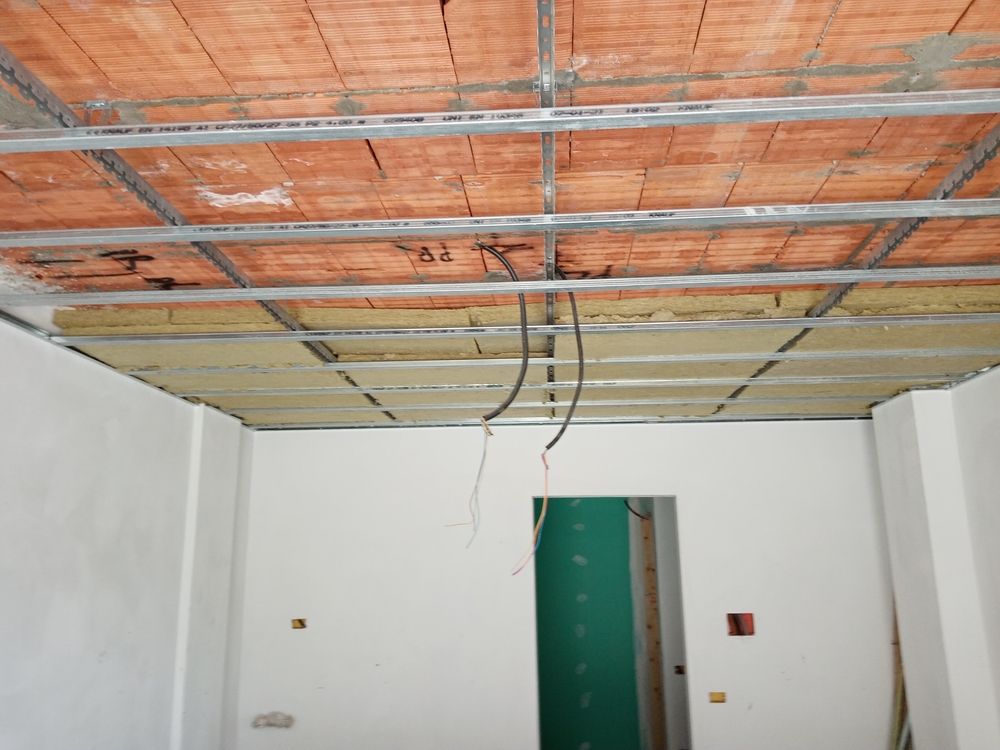
Does your garage feel freezing in winter and blazing hot in summer? You’re not alone. Many homeowners forget about garage insulation, even though it plays a big role in home comfort and energy savings. A well-insulated garage stays cooler in summer, warmer in winter, and protects everything inside. Whether you park your car, store tools, or use the space as a workshop, proper insulation makes a huge difference. This guide explains why garage insulation matters, which materials to choose, and how to do it the right way.
Key Takeaways
- Garage insulation improves temperature control and energy efficiency
- Sealing air leaks ensures better insulation performance
- Insulation type should match climate and garage layout
- Insulating the door and adding weatherstripping reduces heat loss
- Proper installation prevents moisture issues and lowers energy costs
Why Garage Insulation Matters
Garage insulation is essential for a comfortable garage. It controls the temperature, keeping the space cooler in summer and warmer in winter. This makes it more enjoyable to work in or spend time there. Insulation also helps block moisture. This reduces the risk of mold and mildew that can damage items stored in your garage.
Here’s why it’s important:
- Lower energy bills: Less heat escapes in winter. Less heat enters in summer. Your HVAC system works less.
- Better comfort indoors: If your garage is attached, insulation helps stabilize the temperature in nearby rooms.
- Protection for stored items: Tools, paint, electronics, and vehicles last longer in stable conditions.
- Moisture control: Proper insulation reduces condensation, rust, and mold growth.
- Noise reduction: Insulation helps block outside noise.
- Higher home value: Energy-efficient upgrades attract buyers.
Installing insulation in your garage creates a barrier against outside temperatures. It helps maintain a steady indoor temperature and reduces strain on your heating and cooling system. This not only saves you money in the long run but also enhances the overall comfort and energy efficiency of your home.
Choosing the Right Insulation for Your Garage: Pick the Right Insulation
To choose the best insulation for your garage, consider a few key factors. Think about your local climate, your budget, and your garage layout. It is important to choose insulation materials that provide adequate coverage and energy efficiency for your specific needs. Factors such as R-value, installation process, and durability should also be taken into account when making your decision. By comparing different insulation options based on these keywords, you can select the best solution for keeping your garage comfortable and well-insulated.
| Insulation Type | Best For | Benefits | Things to Know |
| Fiberglass Batts | Garage walls | Affordable, easy to install | Needs proper sealing to avoid air leaks |
| Spray Foam | Small gaps, full coverage | Excellent air sealing, high R-value | More expensive, may require professional installation |
| Rigid Foam Boards | Garage doors, walls, and ceilings | Strong insulation value, moisture-resistant | Must be cut carefully to fit |
| Reflective Insulation | Hot climates, metal doors | Reflects heat away | Works best when combined with other insulation |
| Cellulose | Eco-friendly projects | Made from recycled material | Needs a proper moisture barrier |
Tip: In hot climates, reflective insulation and rigid foam work very well. In cold climates, spray foam or fiberglass with proper sealing is effective.
Garage Ceiling Insulation Tips
To properly insulate your garage walls and ceiling, follow a few key steps. Doing it right improves energy efficiency and helps lower utility costs. Start by choosing the right insulation material for your garage. Fiberglass batts and foam board are common options that fit most spaces. Follow these basic steps for solid results:
1. Seal Air Leaks First
Air leaks reduce insulation performance and waste energy. Before installing insulation, inspect your garage for gaps and cracks. Even small openings can let in hot or cold air. Sealing these areas first helps your insulation work properly and improves overall energy efficiency. Before adding insulation, seal all cracks and gaps. Use caulk or expanding foam around:
- Windows
- Wall seams
- Electrical outlets
- Ceiling joints
Air leaks reduce insulation performance. Even small gaps can let in hot or cold air, making your garage harder to heat or cool. Sealing cracks and openings first helps your insulation work effectively. This improves comfort, lowers energy bills, and extends the life of your insulation.
2. Install Insulation in Wall Cavities
Insulating wall cavities is a crucial step in maintaining energy efficiency in your home. By installing insulation properly, you can reduce heat loss in the winter and keep your home cool in the summer. Choose the right type of insulation for your walls, such as fiberglass, cellulose, or foam.
Proper installation is just as important. It helps maximize performance and energy efficiency. Hiring a professional to do the job can ensure that the insulation is installed correctly and that your home stays comfortable year-round.
3. Add a Vapor Barrier (If Needed)
When it comes to protecting your home from moisture damage, adding a vapor barrier can be a crucial step. If you live in a humid area, moisture can build up quickly.
A vapor barrier helps stop water from getting into your walls. It also helps prevent mold and mildew. Installing a vapor barrier helps keep your home dry and comfortable.
It’s a smart investment that protects your home over time. If you’re dealing with moisture problems in your home, consider adding a vapor barrier. It helps protect your space from long-term damage. Your home will thank you in the long run!
4. Cover with Drywall
Once the framing is complete, cover the walls with drywall. Drywall sheets are easy to install and provide a smooth surface for painting or wallpapering. Measure and cut each sheet to fit the wall. Screw them into place, staggering seams for strength. Apply joint compound and tape to fill gaps. Sand rough spots, then prime before painting. Drywall protects insulation, improves fire safety, and gives a clean, finished look. Proper installation ensures your garage is ready for use and maintenance-free for years.
How to Insulate a Garage Door
The garage door is often the weakest point for heat loss and gain. Without insulation, your garage can get very hot in summer and very cold in winter.
Option 1: Garage Door Insulation Kit
These kits include pre-cut panels that fit standard garage doors. They are affordable and easy to install yourself. Most kits come with foam or reflective insulation, providing both thermal and energy efficiency benefits. With simple tools, you can complete the installation in a few hours, making it a cost-effective DIY solution.
Option 2: Rigid Foam Panels
Cut foam boards to fit each panel of your garage door. Secure them with adhesive or insulation tape for a snug fit. Rigid foam panels offer higher R-values than many standard kits, which means better heat resistance. They are also moisture-resistant, helping prevent mold and corrosion on metal doors.
Option 3: Upgrade to an Insulated Garage Door
If your door is old or made of thin metal, consider replacing it with a pre-insulated model. This can be a smart long-term investment. Insulated garage doors come with built-in thermal barriers that provide superior energy efficiency. Over time, they can significantly reduce heating and cooling costs while improving overall garage comfort.
Always seal the edges of the door. Even small gaps reduce insulation efficiency. Proper sealing helps keep your garage more comfortable year-round.
Install Weatherstripping for Maximum Efficiency
Weatherstripping seals the edges of your garage door. It blocks drafts, dust, moisture, and pests. Proper installation protects your garage and extends the door’s life. It also improves energy efficiency by keeping heated or cooled air inside. Regular inspection ensures long-lasting performance and comfort. It also improves energy efficiency by keeping conditioned air inside. A well-sealed door reduces strain on your HVAC system and lowers utility bills.
Steps to Install Weatherstripping:
- Measure all edges of your garage door.
- Cut rubber or vinyl strips to the right size.
- Attach them along the bottom and sides of the door.
- Check that the door closes tightly against the strips.
Inspect your weatherstripping once a year. Replace it if it cracks or pulls away. This small upgrade improves comfort and reduces energy loss.
How Much Money Can You Save?
Garage insulation may cost upfront, but the long-term benefits are worth it. Proper insulation helps regulate temperature, reducing energy bills. It protects your belongings from extreme heat or cold, extending their lifespan. Less strain on your HVAC system means fewer repairs and a longer system life. Additionally, a well-insulated garage can increase your home’s resale value.
Benefits include:
- Lower heating and cooling costs
- Less strain on your HVAC system
- Fewer repairs and longer system life
- Increased resale value
If your garage is attached, insulation can reduce energy loss throughout the home. That means better comfort and real savings.
Common Garage Insulation Mistakes to Avoid for Better Energy Efficiency
Even high-quality insulation can fail if installed incorrectly. Small mistakes lead to air leaks, moisture issues, and higher energy bills. Avoid these common errors to ensure long-lasting comfort:
Skipping Air Sealing
Always seal gaps and cracks before adding insulation. Unsealed windows, wall joints, outlets, and ceiling edges let outside air in, reducing insulation performance. Sealing these gaps ensures your insulation works effectively and maintains consistent garage temperatures.
Compressing Fiberglass Insulation
Fiberglass works by trapping air. Pressing or stuffing it tightly lowers its R-value. Fit batts snugly without squeezing or flattening. Proper placement helps maximize thermal performance and energy efficiency.
Ignoring the Garage Door
The garage door is a major source of heat loss and gain. If it’s not insulated, the rest of your insulation efforts are less effective. Use foam panels, an insulation kit, or upgrade to an insulated door. Insulating the garage door helps keep the entire garage comfortable and reduces energy costs.
Forgetting a Vapor Barrier in Humid Climates
Humidity can cause mold, mildew, and damaged insulation. A vapor barrier protects walls and keeps your garage dry. Adding a vapor barrier prevents moisture damage and prolongs the life of your insulation.
Leaving Insulation Exposed Without Drywall
Exposed insulation can collect dust, absorb moisture, and be a fire hazard. Cover it with drywall for safety and a clean finish. Drywall also protects insulation and gives the garage a finished, professional appearance.
Expert Garage Insulation for Year-Round Comfort
Proper insulation lays the foundation for a comfortable garage, but every garage is different. Factors like climate, door type, wall structure, and ventilation affect performance. Choosing the right materials, sealing air leaks, and insulating the garage door correctly prevents temperature swings, moisture problems, and wasted energy.
As a trusted garage door service provider, The Woodlands Garage Door works with homeowners to assess insulation needs. We recommend insulated garage door options and guide you on sealing gaps, installing weatherstripping, and improving overall energy efficiency.
Investing in the right insulation strategy today ensures your garage stays comfortable, energy-efficient, and protected. Contact us to explore your options and create a solution tailored to your home.