
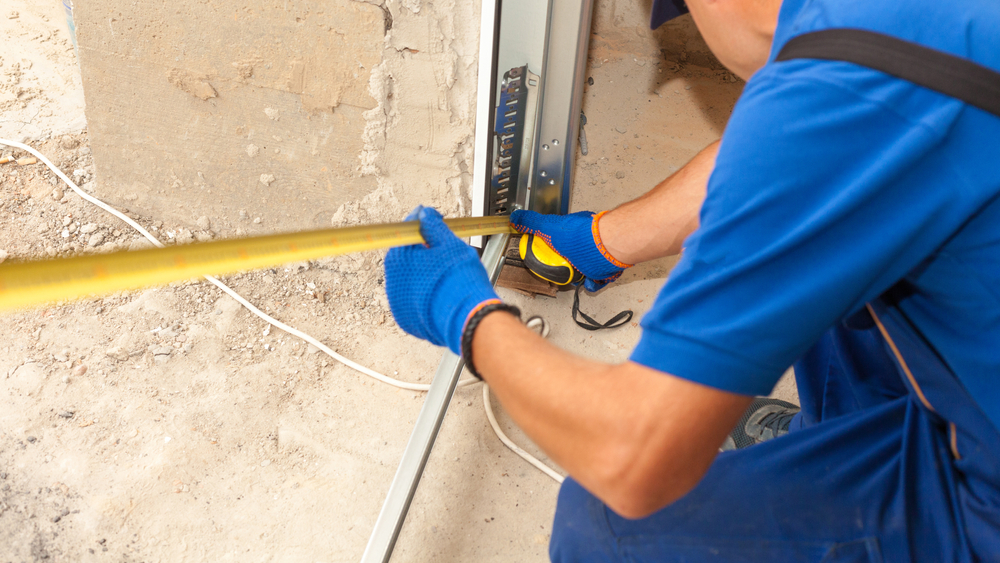
Getting garage measurements right matters more than many people think. Even a few inches can affect how easily your vehicle fits and which garage door options will work.
Before building or remodeling, it helps to know standard garage dimensions. A garage door size chart gives a clear starting point. It shows common door sizes and how they match different vehicles.
This planning step is more important today. Data from the U.S. Department of Transportation shows that the average passenger vehicle has grown wider over time. That extra width can turn a tight garage into a daily frustration if measurements are off.
Garage dimensions are easy to underestimate and hard to fix once construction begins. A garage that is off by even a few inches can make parking uncomfortable, limit door options, or reduce usable storage space. That is why accurate garage measurements should be one of the first steps before building or remodeling.
Standard garage dimensions provide a reliable starting point. A garage door size chart helps match door widths and heights to vehicle types, ceiling height, and available clearance. These standards simplify planning and reduce the risk of costly changes later.
Vehicle size trends make this planning even more important. According to data from the U.S. Department of Transportation, the average passenger vehicle has steadily increased in width over time. Garages designed to older standards may feel tight for today’s cars, trucks, and SUVs. Proper measurements ensure daily usability, not just code compliance.
Key Takeaways
- Standard garage measurements improve layout and long-term usability
- A garage door size chart helps match doors to vehicle size and clearance
- Headroom, side room, and depth matter as much as door width
- Early planning reduces construction changes and material waste
- Professional measurement leads to a better fit and fewer issues
Why Accurate Garage Measurements Matter
Garage measurements affect how the space functions every day. When dimensions are off, even slightly, basic tasks like parking, opening doors, or moving around the garage become frustrating. Vehicles may barely clear the opening, mirrors may scrape walls, or doors may not open fully. In some cases, the selected garage door cannot be installed at all due to insufficient headroom or side room for tracks and hardware.
Measurement errors also limit future flexibility. A garage that fits today’s vehicle may not accommodate a larger SUV, truck, or added storage later. Ceiling height, depth, and clearance all influence whether upgrades such as taller doors, shelving, or lifts are possible.
Accurate measurements are just as critical during planning and construction. Contractors rely on precise dimensions to order doors, framing materials, and hardware. If measurements change after orders are placed, costs increase, and schedules slip. Revisions can also delay inspections and installation timelines.
Measuring correctly at the start reduces guesswork. It improves coordination between design, materials, and installation. Most importantly, it ensures the garage works as intended from day one and continues to function well over time.
Understanding Standard Garage Sizes
Most garages fall into a few common size categories. These standards are widely used because they balance vehicle clearance, door compatibility, and construction efficiency. These standard dimensions provide a reliable starting point for design and budgeting. They also make it easier to select garage doors, framing materials, and hardware without custom fabrication.
Single-car garages are typically designed for one vehicle with limited storage. They work well for compact cars but can feel tight for larger vehicles.
Two-car garages are the most common residential option. Proper spacing is critical to allow doors to open comfortably and to maintain usable storage or workspace.
Three-car garages offer flexibility for multiple vehicles, storage, or hobby space. Layout planning becomes more important to avoid wasted square footage.
Oversized or custom garages are designed for trucks, RVs, lifts, or specialty equipment. These require careful planning around door height, ceiling clearance, and structural support.
Garage Door Size Chart
These sizes reflect the most commonly installed residential garage doors. Actual requirements may vary based on vehicle size, garage depth, and available headroom. Always confirm measurements on site before selecting a door.
| Door Type | Width (in feet) | Height (in feet) | Typical Use |
| Single Standard | 8′ | 7′ | Small car or compact garage |
| Standard Two-Car | 16′ | 7′ | Most two-car garages |
| Tall Single | 8′ | 8′ | Trucks and taller vehicles |
| Tall Two-Car | 16′ | 8′ | SUVs, added storage clearance |
| RV / Custom | 10–12′+ | 10–14′+ | RVs, trailers, equipment |
Door size selection should always account for the door hardware, track system, and ceiling height, not just the opening itself. Overhead tracks, torsion springs, and openers require specific clearances that vary by door type. Ignoring these requirements can limit door options or require costly structural changes later.
Key Measurement Terms You Should Know
Garage planning involves more than measuring the width and height of the opening. Several supporting dimensions determine whether a garage door system will function properly and whether the space will remain usable once a vehicle is parked. Understanding these terms helps homeowners communicate clearly with contractors and avoid installation issues.
- Clearance width refers to the usable side-to-side space available for the vehicle once it is inside the garage.
- Clearance height is the vertical space required when the garage door is fully open, including tracks and hardware.
- Depth measures the front-to-back length of the garage and affects parking comfort and storage options.
- The side room is the space beside the door opening needed to install tracks, springs, and brackets.
- A back-up room is the space behind a parked vehicle that allows for movement, storage, or work areas.
Each of these measurements directly affects which garage door styles, track systems, and opener configurations can be installed. Reviewing them together ensures the garage functions smoothly and supports both current and future needs.
Step-by-Step Guide to Measuring Your Garage
Measuring a garage correctly requires more than checking the opening size. Every dimension influences which door systems will fit and how smoothly they will operate. Missing even one measurement can limit door options or cause installation delays.
Begin by measuring the width and height of the garage door opening. Measure in multiple spots to confirm consistency, especially in older structures where framing may not be square. Record the smallest measurement to avoid clearance issues.
Next, measure the interior depth of the garage, from the door opening to the back wall. This ensures there is enough space for the vehicle, door travel, and any planned storage or work areas. Then measure the headroom, which is the space between the top of the opening and the ceiling, needed for tracks, springs, and openers.
Check the side room on both sides of the opening to confirm there is adequate space for door hardware. Identify and note any obstructions, such as light fixtures, beams, ducts, or pipes, that could interfere with installation.
Finish by reviewing and double-checking all measurements. Record them clearly and share them with your installer or supplier. This process reduces errors, supports accurate door selection, and ensures compatibility with both standard and custom garage door options.
Vehicle Considerations for Your Garage
When planning your garage, it’s essential to consider how the space will be used daily. Garage dimensions should accommodate not just the vehicle itself but all the accessories and equipment that come with it.
Vehicle dimensions go beyond length and width. Mirrors, roof racks, ladders, or trailer hitches add extra clearance needs. SUVs, trucks, and vehicles with elevated suspensions often require taller doors and additional headroom.
Plans should guide your design. If you intend to install a vehicle lift, store an RV, or keep recreational vehicles, account for these needs in your measurements. Likewise, storage for tools, bicycles, shelving, or seasonal equipment impacts the remaining usable space.
By planning for both present and future vehicle and storage requirements, you avoid tight fits, clearance issues, and costly renovations down the line. Proper foresight ensures your garage remains functional, safe, and convenient for years to come.
Common Mistakes in Garage Planning
Even small oversights in garage planning can create long-term headaches. Many common issues stem from rushed measurements or not considering how the space will be used. Being aware of these pitfalls early helps ensure a smoother build or remodel.
- Assuming one standard size works for all vehicles: Not all cars, trucks, and SUVs fit the same way; one-size assumptions can lead to tight clearances.
- Forgetting to account for bikes, tools, or storage systems: Extra storage needs reduce usable space if not planned for upfront.
- Ignoring the overhead door hardware clearance: Door tracks, springs, and operators require sufficient space to operate safely.
- Skipping professional measurements before ordering doors: Minor errors in DIY measurements can result in doors that don’t fit or require costly adjustments.
Most of these mistakes are difficult and expensive to correct after installation. Careful measurement, early planning, and consultation with professionals help avoid these common issues and ensure a garage that is functional, safe, and convenient.
Planning Your Garage Remodel With Confidence
Accurate garage measurement standards provide a reliable foundation, but every space has unique constraints. Knowing the right door sizes, clearance requirements, and vehicle needs helps prevent daily frustrations and ensures long-term usability. Proper planning keeps your garage functional, safe, and convenient for all your vehicles and storage needs.
As a trusted garage door service provider, Woodlands Garage Door works directly with homeowners to review measurements, recommend suitable door sizes, and ensure installations align with real-world use. From standard single- and two-car doors to custom and oversized options, careful planning ensures your garage functions as intended rather than feeling cramped or inconvenient.
If you are building a new garage or remodeling an existing one, contact us to review your measurements, explore a garage door size chart, and make confident, informed decisions before construction begins.