
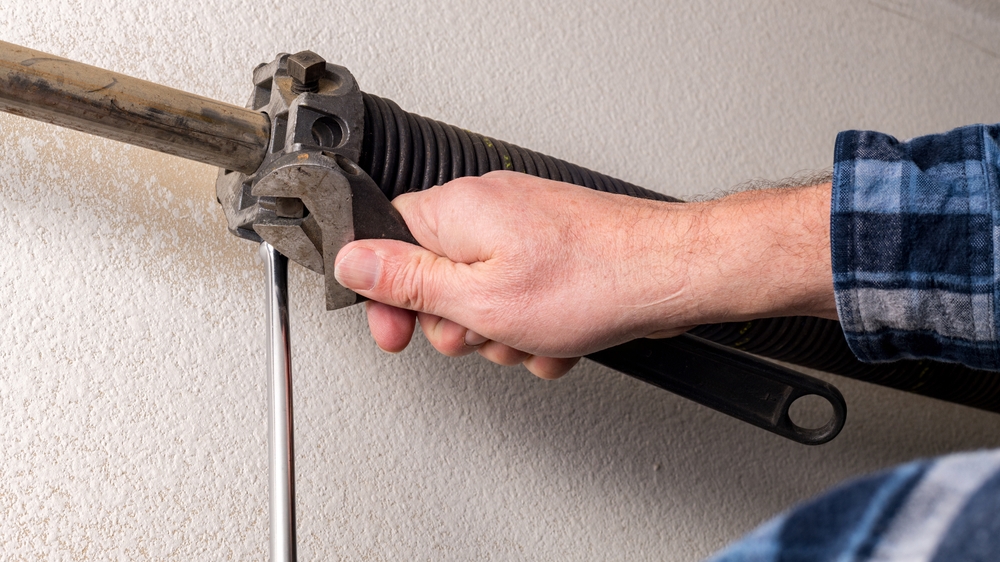
Garage doors face constant exposure to changing weather conditions throughout the year. Rain, humidity, heat, wind, and moisture can gradually wear down garage door materials and affect long-term performance. One of the most common problems homeowners encounter is rust buildup, especially on steel garage doors, metal hardware, and moving components.
While surface rust may appear minor at first, corrosion can slowly weaken garage door panels, tracks, springs, hinges, and other structural parts. If left untreated, rust damage can reduce garage door durability, affect smooth operation, and shorten the lifespan of the entire system. Homeowners in humid regions and areas with frequent rain often notice rust problems developing faster due to increased moisture exposure.
Understanding what causes garage door corrosion, how to identify early warning signs, and which maintenance steps help prevent rust can make a significant difference in long-term garage door reliability and repair costs. According to material insights, aluminum naturally forms a protective oxide layer when exposed to air, which helps slow down further corrosion and makes it more resistant to rust compared to many other metals.
Key Takeaways
- Rust can weaken garage door panels, hardware, springs, and moving components over time
- Moisture, humidity, and damaged protective coatings are common causes of garage door corrosion
- Early rust detection can help prevent larger structural and operational problems
- Routine cleaning, lubrication, and inspections help improve garage door durability and lifespan
- Professional garage door service may be necessary when corrosion affects safe operation
How Rust Impacts Garage Door Durability
Garage doors rely on strong structural materials and properly functioning hardware to operate safely and smoothly. When rust develops, it gradually breaks down exposed metal surfaces and weakens important components within the system. What starts as a small surface discoloration can eventually affect garage door movement, balance, and reliability. Rust commonly affects:
- Garage door panels
- Hinges and brackets
- Springs and cables
- Rollers and tracks
- Bottom weather seals
- Nuts, bolts, and hardware
As corrosion spreads, metal surfaces may become rough, weakened, or unstable. Rusted components can increase friction during operation and place additional strain on the garage door opener system. Over time, this added stress may lead to premature wear, reduced performance, and costly garage door repairs.
Common Causes of Garage Door Rust
Several environmental and maintenance-related factors contribute to garage door corrosion over time. Moisture exposure, changing weather conditions, and neglected maintenance can gradually weaken metal surfaces and protective coatings. Understanding these common causes can help homeowners take preventive steps before rust leads to larger garage door problems. Regular upkeep and inspections are widely recommended as part of preventive care to reduce long-term damage and improve durability
Moisture and Humidity
Excess moisture is one of the leading causes of rust on garage doors. Rain, humidity, condensation, and standing water can slowly damage exposed metal surfaces and hardware. Homes located in humid climates or areas with frequent storms often experience faster rust buildup due to prolonged moisture exposure. Coastal regions may also see accelerated corrosion because salt in the air can damage protective finishes more quickly.
Damaged Paint or Protective Coatings
Most steel garage doors include paint finishes or protective coatings that help shield metal surfaces from moisture. When these coatings become chipped, scratched, or worn, the exposed metal underneath becomes vulnerable to corrosion. Even small areas of exposed metal can allow moisture to spread beneath the surface and accelerate rust formation over time. Common causes of coating damage include:
- Weather exposure
- Impact damage
- Aging garage door materials
- Poor-quality paint finishes
Once moisture reaches exposed metal, rust can begin spreading beneath the surface. Over time, this corrosion may weaken garage door panels and damage nearby hardware components. If ignored, small rust spots can gradually turn into larger structural and operational problems.
Poor Garage Door Maintenance
Routine maintenance plays an important role in preventing garage door rust. Dirt, debris, and neglected hardware can trap moisture against metal surfaces and accelerate corrosion. Without regular inspections and lubrication, homeowners may not notice early rust forming on springs, rollers, hinges, tracks, or brackets until larger problems develop.
Weather Damage and Outdoor Exposure
Garage doors are exposed to outdoor conditions every day. Over time, repeated exposure to rain, changing temperatures, sunlight, and humidity can wear down protective materials and increase the risk of corrosion. Severe weather conditions may also cause protective coatings to crack or fade, leaving metal surfaces more vulnerable to moisture damage. Without regular maintenance, long-term weather exposure can gradually reduce garage door durability and overall system performance. Garage doors exposed to harsh weather may experience:
- Faster paint deterioration
- Increased moisture penetration
- Expansion and contraction of metal components
- Higher risk of rust formation
Weather-related wear can gradually reduce garage door durability if preventive maintenance is ignored. Regular inspections and protective maintenance can help homeowners minimize long-term corrosion and avoid costly garage door repairs. Taking preventive steps early can also help extend the lifespan and reliability of the entire garage door system.
Warning Signs of Rust Damage on a Garage Door
Identifying rust early can help homeowners avoid more expensive repairs and prevent long-term damage to the garage door system. Small signs of corrosion can quickly spread if moisture continues affecting exposed metal surfaces. Regular visual inspections can help detect rust problems before they begin interfering with garage door operation and safety. In some cases, garage door issues like system alerts or sensor indicators can also point to underlying maintenance needs.
Rust Spots on Garage Door Panels
Small reddish-brown spots on garage door panels or hardware are often the first visible sign of corrosion. These spots may continue spreading if the protective finish has been compromised. If left untreated, these rust spots can deepen into pitting and weaken the metal surface over time.
Bubbling or Peeling Paint
Paint bubbling or flaking may indicate moisture trapped beneath the surface. This often happens when rust begins developing underneath painted metal panels. If ignored, it can lead to further corrosion and damage to the underlying metal structure.
Squeaking or Grinding Sounds
Rust buildup on rollers, hinges, tracks, or springs can increase friction during operation. Homeowners may notice louder garage door movement or unusual grinding noises as components begin wearing unevenly. Over time, this can affect smooth functioning and put extra strain on the garage door system.
Difficulty Opening or Closing the Door
Corroded hardware can interfere with smooth garage door movement. Rusted tracks, rollers, or springs may cause the garage door to move unevenly, operate slowly, or become stuck during operation. In more severe cases, it may even prevent the door from opening or closing properly, posing a safety risk.
Rusted Springs or Cables
Garage door springs and cables are critical for safe operation. Rust buildup can weaken these high-tension components and increase the risk of sudden failure. This can make the door unsafe to use and may require immediate professional repair or replacement.
Garage Door Rust Prevention Tips
Preventive maintenance helps protect garage door durability and reduce long-term repair costs. Consistent care can slow corrosion and improve the lifespan of garage door components. Regular inspection, timely cleaning, and applying protective coatings can significantly reduce the risk of rust formation.
Clean the Garage Door Regularly
Dirt, debris, and salt buildup can trap moisture against garage door surfaces. Cleaning the garage door regularly helps reduce corrosion risks and maintain the protective finish. Use mild soap and water for routine cleaning to prevent damage to the paint or coating. Use mild soap and water to clean:
- Garage door panels
- Hinges and brackets
- Tracks and rollers
- Bottom seals and edges
Avoid harsh chemicals that may damage paint or protective coatings. These substances can strip away the protective layer and leave the metal exposed to moisture. Over time, this increases the risk of rust formation and surface deterioration.
Inspect for Paint Damage
Inspect the garage door periodically for chipped paint, scratches, or exposed metal surfaces. Applying touch-up paint or protective coatings early can help prevent rust from spreading. Small surface repairs are often much less expensive than major corrosion damage later.
Lubricate Moving Components
Garage door rollers, hinges, springs, and bearings should be lubricated regularly to reduce friction and limit moisture exposure. Proper lubrication also helps improve garage door movement and reduce strain on the opener system. Using garage door-safe lubricants may help extend the lifespan of moving components.
Improve Garage Ventilation
Poor ventilation can increase humidity levels inside the garage and contribute to condensation buildup. Improving airflow may help reduce excess moisture and support better garage door durability. Installing vents or using exhaust fans can help regulate humidity levels and keep the space drier. This reduces the chances of rust forming on metal components over time. Homeowners can improve ventilation by:
- Using garage vents
- Running dehumidifiers in humid climates
- Reducing standing moisture
- Keeping the garage clean and dry
Schedule Professional Garage Door Inspections
Routine professional inspections can help identify hidden corrosion before it affects garage door performance or safety. Garage door technicians can inspect hardware, springs, tracks, rollers, and cables for early signs of rust damage. Preventive inspections may help reduce repair costs and prevent unexpected garage door failures.
When Rust Damage Requires Professional Repair
Minor surface rust can sometimes be cleaned and treated before it spreads further. However, severe corrosion may weaken structural components and affect garage door safety. Professional garage door repair may be necessary if rust has caused:
- Structural panel damage
- Weak or corroded springs
- Rusted cables or brackets
- Bent tracks or rollers
- Garage door opener strain
- Uneven garage door movement
Garage doors contain heavy moving parts and high-tension systems that can become dangerous if damaged. Professional garage door technicians can safely inspect the system and recommend the most effective repair or replacement solution. They also ensure that springs, cables, and tracks are properly aligned and functioning safely. Regular professional servicing helps prevent sudden failures and extends the overall lifespan of the garage door system.
Protecting Your Garage Door for Long-Term Performance
Rust and corrosion can gradually affect both the appearance and performance of a garage door over time. Moisture exposure, damaged coatings, neglected maintenance, and harsh weather conditions can all contribute to premature wear. Identifying rust early and following proper maintenance practices can help homeowners improve garage door durability, reduce repair costs, and extend the lifespan of the entire system.
As experienced garage door professionals serving homeowners in The Woodlands and surrounding areas, Woodlands Garage Door understands how important long-term durability and dependable garage door performance are for everyday use. Our team works with all major garage door systems, including panels, springs, tracks, rollers, and openers. We focus on professional inspections, preventive maintenance, and reliable repair solutions that help homeowners protect their garage doors from unnecessary corrosion and weather-related damage.
Concerned about rust or garage door wear? Contact us today to schedule a professional garage door inspection and maintenance service you can trust.