
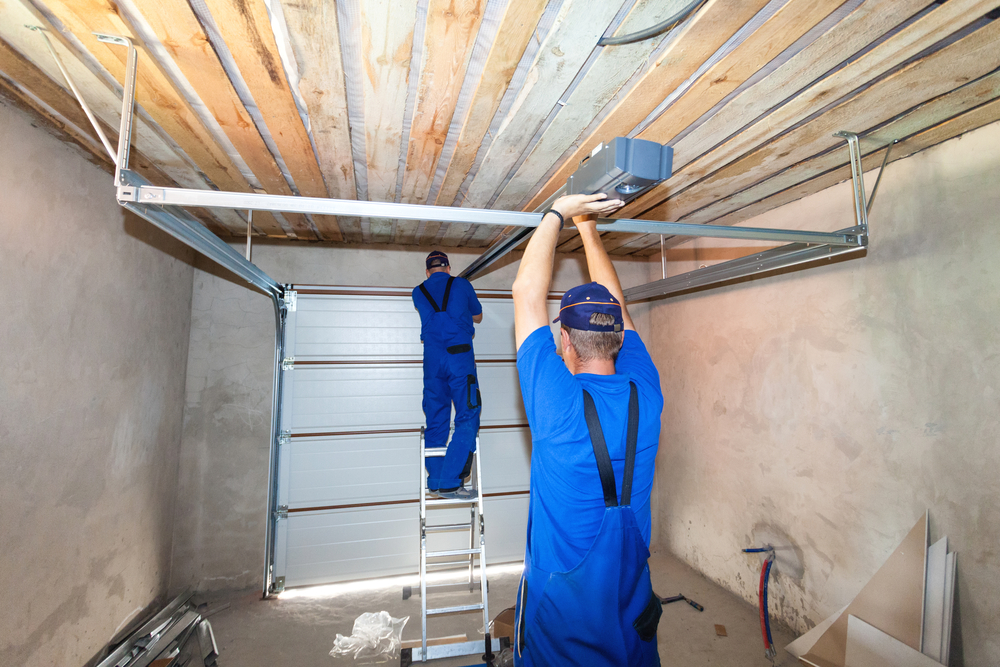
Ever found yourself stuck inside or locked out because your garage door suddenly stopped working? It’s a frustrating situation that usually shows up without warning and can disrupt your entire day. Garage doors are used daily in most homes, yet they’re often overlooked when it comes to routine maintenance, even though they are complex mechanical systems that need regular care to stay safe and reliable.
According to the U.S. Consumer Product Safety Commission’s National Electronic Injury Surveillance System (NEISS), consumer product-related injuries account for millions of emergency room visits each year in the United States. Garage doors can pose serious safety risks when components such as springs, tracks, cables, or safety sensors become damaged or fail. Many injuries are associated with mechanical failures, improper maintenance, or malfunctioning door systems that worsen over time when early warning signs are ignored.
That’s why regular upkeep matters not just for safety but also for long-term performance. Have you ever wondered why some garage doors last for decades while others start breaking down early? In most cases, the difference comes down to consistent maintenance, timely inspections, and addressing small issues before they turn into major repairs.
Key Takeaways
- Regular garage door maintenance helps extend the lifespan of the entire system
- Routine inspections can catch small issues before they become expensive repairs
- Properly maintained garage doors improve safety and reliability for your family
- Preventive service reduces the risk of unexpected breakdowns and emergency repairs
- A clean, smooth-working garage door improves curb appeal and property value
The Importance of Regular Garage Door Maintenance
Ignoring garage door maintenance is similar to ignoring routine car service. Everything may seem fine at first, but hidden wear and tear can slowly lead to major problems. Regular garage door inspections and tune-ups help keep all moving parts working correctly while reducing stress on the system.
One of the biggest benefits of garage door maintenance is extending the lifespan of the door and opener. Garage doors operate through a complex system of springs, rollers, cables, tracks, and openers. Over time, these parts naturally wear down from daily use. Without regular servicing, small issues such as loose hardware or dry rollers can quickly become larger mechanical failures.
Routine maintenance also helps homeowners avoid costly repairs. A minor adjustment today may prevent a broken spring or damaged opener tomorrow. Technicians can identify worn components early and make corrections before they lead to expensive replacements or emergency garage door repair calls.
Safety is another important reason to schedule regular service. Garage doors are extremely heavy, and damaged springs or faulty sensors can create serious risks. A properly maintained system helps prevent sudden door drops, sensor malfunctions, or track failures that could injure family members or damage vehicles.
In addition to performance and safety, regular upkeep improves the appearance of your home. Garage doors take up a large portion of a home’s exterior, so dents, rust, noise, or uneven movement can negatively affect curb appeal. A clean and properly functioning garage door creates a better first impression and can even increase property value.
Finally, preventive maintenance reduces the chances of inconvenient breakdowns. Nobody wants to discover their garage door won’t open when they’re already late for work or dealing with bad weather. Regular garage door service helps ensure dependable operation throughout the year.
Common Signs Your Garage Door Needs Repair
Garage doors usually give warning signs before a major breakdown occurs. Recognizing these issues early can help homeowners schedule repairs before the damage becomes more serious. Paying attention to these early indicators can also help prevent unexpected breakdowns, improve safety, and reduce long-term repair costs. Garage door preventive maintenance helps reduce the chances of major failures and keeps the system running reliably over time.
- Unusual noises during operation: Grinding, squeaking, banging, or screeching sounds often indicate worn rollers, loose hardware, poor lubrication, or alignment problems. Garage doors should operate relatively smoothly, so sudden noise changes should never be ignored.
- Slow or delayed response times: If the garage door hesitates before opening or closing, there may be issues with the opener, motor, sensors, or tracks. Delayed movement can place extra strain on the system and lead to further damage over time.
- Visible wear on cables and springs: Springs carry a large amount of tension and help lift the weight of the door. Frayed cables, rust buildup, or stretched springs often signal that replacement is needed soon. Since these parts are under high tension, professional garage door repair services are strongly recommended.
- Misaligned or uneven tracks: If the garage door appears crooked, shakes during movement, or struggles to stay on track, the rollers or track system may require adjustment. Ignoring alignment issues can eventually cause the door to jam or fail.
- Sensor or safety system issues: Modern garage doors use safety sensors to detect obstacles during operation. If the door reverses unexpectedly, stops midway, or refuses to close, the sensors may be misaligned or malfunctioning. Proper sensor function is essential for safe and reliable operation.
DIY vs. Professional Garage Door Services
Many homeowners attempt to handle garage door repairs on their own to save money. While this can work for basic upkeep, garage door systems are complex and involve high-tension components that require careful handling. Simple maintenance like cleaning tracks, tightening loose hardware, and applying lubricant can usually be done safely and helps improve smooth operation and reduce wear over time.
More serious issues, however, should not be handled as DIY repairs. Components like torsion springs, cables, and track systems operate under heavy tension and require specialized tools and training. Incorrect handling can lead to injury, worsen the damage, or affect the overall balance and safety of the door. This is why professional technicians are typically recommended for anything beyond basic maintenance.
DIY vs Professional Comparison
Before deciding how to address a garage door problem, it is important to understand the differences between handling repairs yourself and hiring a professional. While homeowners can often perform simple maintenance tasks such as cleaning tracks, lubricating moving parts, and testing safety features, more complex issues require specialized knowledge and equipment. The comparison below highlights the key differences between DIY garage door work and professional service, particularly in terms of safety, accuracy, and long-term reliability.
| Aspect | DIY Approach | Professional Service |
| Work Type | Basic maintenance tasks | Full repair and diagnostics |
| Safety Risk | Higher risk with high-tension parts | Low risk with trained handling |
| Tools | Household tools | Specialized equipment |
| Diagnosis | Limited to visible issues | Root-cause inspection |
| Time | Slower, trial-and-error approach | Faster and more accurate |
| Reliability | Temporary fixes | Long-term solutions |
| Emergency Support | Not available | Often includes same-day service |
Professional garage door service not only fixes the immediate problem but also ensures the entire system is inspected for hidden issues. This helps improve long-term performance and reduces the chances of repeat breakdowns. It also keeps the door operating safely and reliably over time.
Choosing the Right Garage Door Installation
Selecting the right garage door for your home involves more than just choosing a style. Homeowners should carefully consider durability, insulation, safety features, and long-term maintenance needs before making a decision. The right choice can improve daily convenience, enhance home security, and reduce long-term repair costs while boosting overall property value.
- Material choice matters: Steel garage doors are durable and low-maintenance, while wood doors offer a more traditional appearance but may require regular upkeep. Aluminum and composite options are also available for homeowners looking for lightweight or modern designs.
- Insulation improves comfort and efficiency: Insulated garage doors help regulate indoor temperature, making them especially useful for attached garages. They also improve energy efficiency and can reduce outside noise, creating a more comfortable living space.
- Safety features are essential: Modern garage doors include auto-reverse systems, motion sensors, and improved locking mechanisms. These features help prevent accidents and protect both people and property, especially in homes with children or pets.
- Proper installation prevents future issues: High-quality installation reduces the risk of alignment problems, uneven wear, and opener strain. Poor installation can lead to frequent repairs, so working with an experienced garage door company is important for long-term reliability.
- Warranty and service support add value: Reviewing warranty coverage and maintenance plans ensures better long-term protection. A strong warranty provides peace of mind and helps reduce unexpected repair costs in the future.
How Often Should You Schedule Garage Door Service?
Most homeowners benefit from scheduling professional garage door maintenance at least once per year. Annual inspections allow technicians to identify wear, test safety systems, and make necessary adjustments before major issues develop. Seasonal maintenance can also help protect the system from changing weather conditions. Cold temperatures may affect lubrication and spring performance, while heat and humidity can contribute to rust and material expansion. Routine seasonal service helps maintain reliable operation throughout the year.
Manufacturer recommendations should also be followed whenever possible. Different garage door systems may require specific service intervals based on usage and design. Reviewing the owner’s manual can help homeowners understand maintenance requirements. Usage frequency is another important factor. Garage doors that open and close several times daily experience more wear than systems used occasionally. Homes with heavy garage traffic may benefit from more frequent inspections and servicing. Consistent maintenance is one of the simplest ways to protect your investment while reducing the likelihood of emergency repairs and unexpected failures.
Restoring Garage Door Safety & Performance
Garage door issues usually begin with small, noticeable signs such as unusual noise, slow movement, or visible surface damage. These early warnings often indicate underlying mechanical wear, including strain on springs, rollers, tracks, or alignment components. When these signs are ignored, they can gradually affect the door’s balance, safety, and overall operation, eventually leading to system failure or costly repairs.
As experienced garage door repair professionals, Woodlands Garage Door helps identify and resolve issues caused by worn components, misaligned tracks, rust damage, and structural wear across residential systems. Each service begins with a detailed inspection to locate the root cause of the problem, followed by precise adjustments and repairs to restore smooth and safe operation. Our approach focuses on ensuring all components work together properly to maintain long-term reliability and performance.
Ready to keep your garage door safe, reliable, and efficient? Contact us today to schedule a professional inspection and repair service you can trust.