
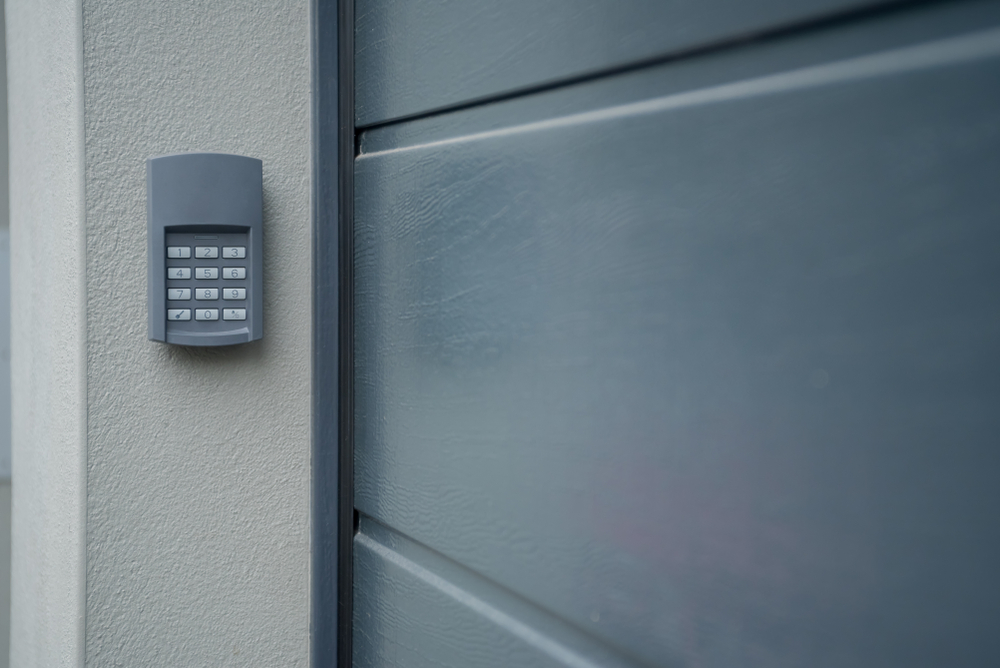
For millions of households across the United States, the garage or carport serves as one of the main ways in and out of the home. Garage door keypad problems are especially frustrating because they often appear without warning. A keypad may suddenly stop responding, reject a familiar access code, or operate inconsistently from one use to the next. When this happens, homeowners are left unsure whether the issue is a minor programming error, a signal problem, or an early sign of equipment failure.
Understanding how garage door keypads work and why common problems occur allows homeowners to respond more confidently. Some issues can be resolved with basic troubleshooting, while others point to the need for professional repair or system upgrades to restore dependable and secure access.
Key Takeaways
- Most keypad failures are operational, not mechanical
- Correct programming matters more than repetition
- Inconsistent response signals communication problems
- Recurring issues often indicate aging components
- Proactive code management improves security and reliability
How Garage Door Keypads Work
A garage door keypad is a wireless access device that allows entry using a numeric code instead of a handheld remote. When the correct code is entered, the keypad communicates directly with the garage door opener, triggering the opening or closing of the garage door. This setup provides convenience while reducing reliance on remotes that can be lost, damaged, or shared unintentionally.
Because keypads are mounted outside the home, they must function reliably in changing weather conditions while maintaining secure communication with the opener. Proper programming, stable wireless signaling, and compatibility with the opener are all essential for consistent performance.
Wireless Communication and Access Codes
Most modern garage door keypads use radio frequency signals to communicate with the opener. After a valid code is entered, the keypad transmits a coded signal that the opener verifies before activating the motor. If that signal is weakened, interrupted, or improperly programmed, the door may fail to respond.
Reliable operation depends on both correct setup and a clear communication path. Issues such as low battery power, nearby electronic interference, or signal obstruction can cause delays, partial responses, or complete failure to activate the door.
Compatibility With Garage Door Openers
Garage door keypads are not universally compatible. Their functionality depends on the brand, model, and year of manufacture of the garage door opener. Older systems may not support newer keypad technology, while newer openers often require brand-specific programming steps to establish secure communication.
Using an incompatible keypad or following incorrect programming instructions can lead to recurring access problems. Confirming compatibility before installation or replacement helps prevent unnecessary troubleshooting and frustration later.
Common Garage Door Keypad Problems
Garage door keypads are built for convenience, but constant exposure to outdoor conditions makes them vulnerable to wear over time. Rain, humidity, dust, and direct sunlight can degrade internal components, while repeated daily use gradually wears down buttons and contact points. Temperature fluctuations further stress batteries and circuitry, increasing the likelihood of inconsistent performance or failure.
Keypad Not Responding at All
A keypad that does not light up or register input typically indicates a power or hardware issue. Dead or corroded batteries are the most common cause and should always be checked first. In humid environments, corrosion can interrupt power even when batteries appear intact.
If battery replacement does not restore operation, the issue may involve worn buttons, internal circuit damage, or long-term exposure to heat and moisture. At that point, replacement or professional evaluation may be necessary.
Incorrect or Forgotten Access Codes
Access code issues often arise after battery replacement or attempted reprogramming. Some keypads lose stored codes when power is interrupted, requiring the code to be reset. In other cases, codes are unintentionally changed during setup, leaving homeowners locked out despite a functioning keypad.
These situations can be misleading, as the keypad itself may be working correctly while the opener no longer recognizes the entered code.
Intermittent or Delayed Operation
When a keypad works inconsistently, communication issues are often the cause. Weak batteries, interference from nearby wireless devices, or physical obstructions between the keypad and opener can disrupt signal transmission.
These problems may result in delayed responses or sporadic operation rather than complete failure, making them especially frustrating and harder to diagnose without a systematic approach.
Garage Door Programming Fixes to Try First
Before calling for service, it’s worth running through a few basic checks. Many keypad problems are not equipment failures. They’re caused by lost programming, power interruptions, or simple battery issues that can be fixed in minutes.
Reprogram the keypad
Keypads can lose their code after a power outage, battery replacement, or electrical surge.
- Locate the “learn” button on the garage door opener motor. It’s usually behind the light cover or near the antenna wire.
- Press and release the button. A light on the opener should turn on or start blinking.
- Enter a new code on the keypad and press the confirm or enter button.
- Test the door immediately.
If the door does not respond, repeat the steps once more. If it still doesn’t work, check the opener’s brand and model. Programming steps are not universal, and using the wrong sequence will prevent the code from saving.
Reset the garage door opener
If reprogramming doesn’t hold, the opener may need a reset.
- Unplug the opener from the outlet.
- Wait at least 60 seconds. This allows stored power to fully drain.
- Plug the opener back in and wait for it to finish restarting.
- Reprogram the keypad again.
In cases where the opener has multiple remotes or keypads, clearing all stored devices and reprogramming them one at a time can resolve signal conflicts.
Check Batteries and Keypad Condition
Battery issues are the most common cause of keypad failure, even when the keypad still lights up.
- Replace the batteries with new ones, not partially used batteries.
- Inspect the battery contacts for corrosion or dirt.
- Clean contacts gently with a dry cloth if needed.
- Make sure the keypad is securely mounted and not loose.
If the keypad is exposed to direct sunlight, rain, or extreme temperatures, internal components may also be affected over time.
When These Steps Don’t Work
If the keypad still doesn’t operate after reprogramming, resetting, and battery replacement, the problem is usually mechanical or electrical. Common causes include:
- A failing keypad circuit board
- Wiring issues inside the keypad or opener
- A malfunctioning opener control board
At that point, further troubleshooting can cause more damage. A technician can test components, confirm compatibility, and replace only what’s necessary.
Signal and Interference Issues
Wireless communication for your garage door relies on a clear, uninterrupted signal between the keypad and the opener to work properly. When that communication is consistent, commands are transmitted accurately, and the door responds as expected.
If that signal becomes weakened or disrupted, the connection can turn unreliable. Even though the keypad may light up or appear to function normally, the opener may not receive the command clearly. This can cause delayed responses, inconsistent operation, or the need to press buttons multiple times before the door reacts. Over time, this inconsistency can be frustrating and may place unnecessary strain on the system, making dependable communication essential for smooth, predictable garage door operation.
Radio Frequency Interference
Nearby devices such as Wi-Fi routers, security systems, or other wireless equipment can interfere with keypad signals. Interference may cause delayed responses or prevent the door from activating altogether.
Obstructions and Range Limitations
Metal doors, thick walls, or long distances between the keypad and opener can weaken signal strength. Repositioning the keypad or upgrading equipment may improve reliability in these situations.
When to Clear and Reprogram All Codes
In certain situations, clearing existing codes and starting fresh is the safest and most effective option. Resetting all programmed access helps eliminate unknown users, resolve lingering programming conflicts, and restore secure, predictable operation.
After Moving Into a New Home
When purchasing a home, all existing garage door codes should be erased and replaced. This step ensures that previous occupants or service providers no longer have access.
Clearing codes also removes remotes or keypads that may still be programmed to the opener. This reset should be completed before regular use to prevent unauthorized entry.
Lost or Compromised Keypad Codes
If a keypad code has been shared widely or may be compromised, clearing and reprogramming all codes is the safest response. This prevents continued access by former residents, contractors, or anyone who may still know the code. New codes should be updated on all keypads and remotes to avoid access conflicts.
When Programming Does Not Solve the Problem
If basic troubleshooting and reprogramming do not restore reliable operation, the issue is usually no longer software or settings-related. At that stage, the problem often points to aging or failing hardware within the keypad or the garage door opener itself. Programming can only work if the components sending and receiving the signal are functioning correctly.
Repeated loss of programming, delayed response, or intermittent operation are common signs that something deeper is wrong. These symptoms often worsen over time rather than improve. Continuing to reprogram in these cases may temporarily restore function, but it rarely provides a lasting fix. Identifying the underlying hardware issue early can prevent complete failure and reduce unnecessary service calls.
Worn Keypads and Control Boards
Keypads are exposed to weather, temperature changes, and frequent use. Over time, buttons can wear down, internal contacts can degrade, and moisture can damage the circuitry. When this happens, the keypad may appear to work but fail to consistently send a signal to the opener.
Control boards inside the opener can also deteriorate with age. Power surges, heat, and normal wear can interfere with their ability to receive and process signals correctly. When a control board begins to fail, programming may save correctly but stop working without warning.
In these situations, replacing the keypad or control board is usually more effective than continued troubleshooting. New components restore consistent communication and eliminate the cycle of reprogramming that often frustrates homeowners.
Upgrading to Newer Opener Technology
In some cases, repeated issues are less about a single failed component and more about outdated technology. Older garage door openers may struggle to maintain stable communication with newer keypads or accessories. Compatibility issues can cause unreliable performance even when everything appears to be programmed correctly.
Modern garage door openers are designed with stronger signal ranges, improved encryption, and better resistance to interference. Many also support smart access features, multiple user codes, and backup power options that older systems lack. These upgrades improve both reliability and security.
When an opener is approaching the end of its service life, upgrading can be a more practical long-term solution than ongoing repairs. A newer system reduces the likelihood of repeated programming issues and provides more dependable access for daily use.
Safety and Security Considerations
Garage doors are a major access point to the home, which makes keypad security an important priority. A compromised or poorly managed access code can put both the garage and the interior of the home at risk. Taking keypad security seriously helps reduce the chance of unauthorized entry and improves overall home safety.
Weak or outdated access codes should be addressed as soon as possible. Avoid using easily guessed combinations such as birthdates, repeating numbers, or simple patterns. When the system allows, choose longer or less predictable number combinations and update them periodically to keep access secure.
It is also important to regularly review who has active access to the keypad. Remove codes for former residents, contractors, or service providers who no longer need entry. Any time household occupants change or service arrangements are updated, access settings should be reviewed to ensure only the right people can open the garage door.
Best Practices for Code Management
Keeping garage door access secure is less about constant changes and more about consistent habits. A few simple practices can prevent lockouts, security gaps, and repeated programming issues.
- Use unique access codes whenever possible instead of shared or default codes. This makes it easier to track who has access and reduces security risk.
- Keep programming instructions for your specific opener and keypad written down or saved digitally. This saves time if the system needs to be reset or reprogrammed later.
- Update access codes after service visits, renovations, or when contractors no longer need entry.
- Change codes if a keypad is replaced, lost, or shows signs of malfunction.
- Review access settings periodically to confirm all active codes are intentional and still needed.
Address keypad issues as soon as they appear. Delays can leave the garage unsecured or lead to larger problems if access fails at the wrong time. Regular reviews help ensure your system stays reliable, controlled, and secure over time.
Keeping Garage Door Access Reliable
Garage door keypad and programming issues are common, but many can be resolved through proper troubleshooting and routine maintenance. Understanding how the system works helps homeowners determine whether the issue is related to programming errors, signal interference, or normal equipment wear. Early symptoms such as delayed response, inconsistent operation, or frequent loss of programming are often warning signs rather than isolated glitches.
As experienced garage door professionals in the Woodlands area, we help homeowners diagnose keypad issues, restore secure access, and determine when repairs or upgrades are necessary. Our approach focuses on identifying the root cause of the problem rather than applying temporary fixes. This ensures the solution improves both day-to-day reliability and long-term security.
Is your garage door keypad failing to respond or creating ongoing access concerns? Contact us today to schedule service and get expert help restoring reliable, secure garage access for your home.