
Texas summers are known for extreme temperatures, and your garage door feels every degree of that heat. Building science research shows that unconditioned attached garages can become 10–20°F hotter than outdoor temperatures during peak summer conditions, especially when exposed to direct sunlight and limited ventilation. When temperatures climb into the 90s and 100s, the heat doesn’t just make your garage uncomfortable; it can also affect the performance, safety, and lifespan of your garage door system.
At The Woodlands Garage Door, we’ve seen how prolonged heat exposure impacts garage door springs, openers, panels, weather seals, and other critical components. Many homeowners don’t realize that summer weather can contribute to garage door failures until the door starts sticking, making unusual noises, or refusing to close properly. Understanding how hot weather affects your garage door can help you prevent expensive repairs and keep your system operating safely throughout the summer months.
Key Takeaways
- Extreme heat can cause garage door panels to expand, warp, and become misaligned
- Hot weather increases stress on springs, leading to faster wear and potential failure
- Garage door openers and sensors may overheat or malfunction during high temperatures
- Heat and UV exposure can crack weather seals and fade protective finishes
- Expanding tracks and hardware can create alignment issues and uneven door movement
How Extreme Texas Heat Affects Garage Doors
Garage doors are made from materials that naturally expand and contract as temperatures change. During long periods of intense heat, these materials can become stressed, leading to operational issues and premature wear. Metal parts absorb heat quickly and expand throughout the day. Wooden components may swell or warp when exposed to heat and humidity. Even garage door openers and safety sensors can experience performance problems when temperatures inside the garage rise significantly. The longer your garage door is exposed to extreme temperatures, the greater the risk of damage to both mechanical and electronic components.
1. Garage Door Panels Can Warp or Expand
One of the most common summer garage door issues is panel expansion. Steel, aluminum, vinyl, and wood panels all react differently to heat, but each can experience movement when temperatures rise. As materials expand, panels may become slightly misaligned. This can cause the door to stick during operation or place additional stress on the tracks and rollers. Wooden garage doors are especially vulnerable because heat combined with humidity can cause swelling, warping, or cracking.
Signs of panel damage include:
- Visible warping or bending
- Uneven gaps around the door
- Difficulty opening or closing
- Increased noise during operation
- Sections that appear misaligned
If left unaddressed, warped panels can eventually affect the entire garage door system. This added strain can throw the door off balance and cause uneven movement during operation. Over time, it may also lead to premature wear on the opener and other mechanical components, increasing the risk of unexpected breakdowns.
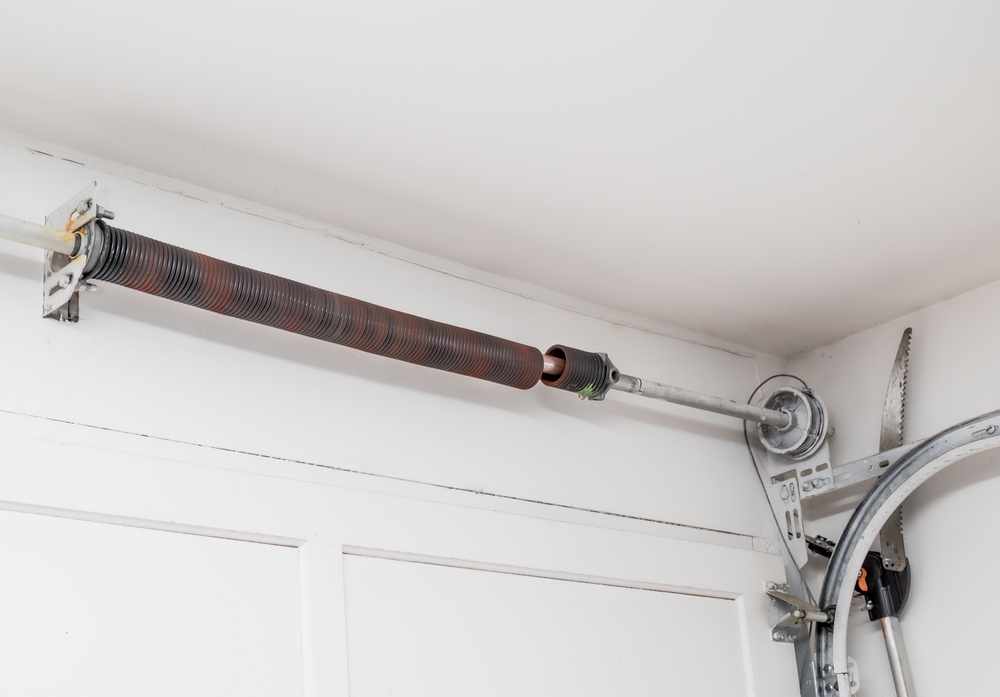
2. Springs Experience Additional Stress in Hot Weather
Garage door springs work under constant tension to help lift and lower the door safely. During periods of extreme heat, metal springs expand slightly, which can alter their tension and increase wear. Over time, repeated expansion and contraction can weaken the spring’s structural integrity. This added stress may shorten the lifespan of torsion and extension springs, especially if they are already aging. Understanding common warning signs and how these systems fail is closely connected to what every Woodlands homeowner needs to know about garage door springs, making it an important resource for maintaining safe operation.
Watch for these warning signs:
- A heavy-feeling garage door
- Jerky movement during operation
- Loud snapping or popping sounds
- The door opens unevenly
Since garage door springs are under high tension, professional inspection is always recommended if you suspect a spring issue. Attempting to repair or adjust them without proper tools or training can be extremely dangerous. A trained technician can safely diagnose the problem and ensure the springs are correctly balanced to restore smooth and reliable door operation.
3. Garage Door Openers Can Overheat
Many homeowners don’t realize that garage door openers contain electronic components that are sensitive to heat. When temperatures inside the garage soar, the opener motor may work harder than normal, especially if other parts of the system are experiencing resistance. An overheating opener may temporarily shut down as a protective measure. In some cases, prolonged heat exposure can damage internal circuitry and shorten the lifespan of the unit.
Common symptoms include:
- Slow operation
- Intermittent performance
- Unexpected shutdowns
- Delayed response to remote controls
- Flashing error lights
Regular maintenance helps reduce strain on the opener and keeps the system running efficiently. It also helps identify small issues before they turn into costly repairs or sudden breakdowns. A simple routine check of moving parts, lubrication, and alignment can significantly extend the lifespan of the entire garage door system.
4. Weather Stripping Can Dry Out and Crack
Weather stripping plays an important role in protecting your garage from outdoor heat, moisture, dust, and pests. Unfortunately, rubber seals are especially vulnerable to UV rays and prolonged exposure to high temperatures. As weather stripping ages, it becomes brittle and begins to crack. Once the seal is compromised, hot air can enter the garage more easily, reducing energy efficiency and allowing insects or debris to enter.
Signs Your Weather Seal Needs Replacement
| Warning Sign | What It Means |
| Cracked rubber | UV and heat damage |
| Visible gaps | Loss of insulation |
| Water entering the garage | Seal no longer functioning |
| Increased dust or insects | Exterior protection compromised |
| Higher garage temperatures | Reduced thermal barrier |
Replacing damaged weather stripping is one of the simplest ways to improve garage performance during summer. It helps keep hot air, dust, and pests from entering the garage, improving overall comfort and cleanliness. It can also improve energy efficiency by reducing the amount of heat that transfers into the home through attached garage walls and doors.
5. Garage Door Sensors May Malfunction
Modern garage doors rely on photo-eye safety sensors to prevent accidents. These sensors can be affected by excessive heat, direct sunlight, dust buildup, and component expansion. When sensors are not functioning correctly, the garage door may reverse unexpectedly or refuse to close altogether. In some cases, sunlight reflecting directly into the sensor lens can temporarily interfere with operation. Homeowners should periodically check sensor alignment and keep the lenses clean during the summer months to maintain reliable performance.
6. Paint and Finishes Can Fade Faster
The Texas sun can be relentless on exterior surfaces. Garage doors that receive direct sunlight throughout the day often experience fading, discoloration, and finish deterioration. UV rays gradually break down protective coatings, causing paint to lose its color and protective qualities. Once the finish begins to fail, the underlying material becomes more vulnerable to moisture damage, rust, and corrosion. Protective coatings and periodic repainting can help preserve both appearance and durability.
7. Tracks and Hardware Can Shift Out of Alignment
Extreme heat doesn’t just affect the door itself. Tracks, hinges, brackets, and rollers can also expand and contract throughout the summer. Over time, these small movements can contribute to alignment issues. When tracks become slightly misaligned, the door may operate unevenly or place additional strain on the opener and springs.
Common symptoms include:
- Grinding noises
- Shaking during operation
- Uneven movement
- Increased vibration
- Rollers jumping within the track
Routine inspections help identify alignment problems before they lead to major repairs. They also ensure that tracks, rollers, and hinges are functioning smoothly under normal operating conditions. Catching these issues early helps prevent uneven door movement and reduces the risk of unexpected system failure.
How to Protect Your Garage Door During Texas Summers
Preventive maintenance remains the most effective way to minimize heat-related garage door problems. Small maintenance tasks can significantly extend the life of your garage door system while improving safety and reliability. This includes checking components that keep out hot air and dust. One important step is to replace your weather stripping.
Consider these summer maintenance tips:
- Schedule annual professional inspections
- Lubricate rollers, hinges, and springs regularly
- Clean tracks and remove debris
- Inspect weather stripping for cracks
- Test safety sensors monthly
- Repaint or seal exposed surfaces when needed
- Consider upgrading to an insulated garage door
These proactive steps can help reduce wear and improve overall system performance during the hottest months of the year. Consistent care also helps maintain safe operation by minimizing strain on key components like springs and the opener. Over time, this attention to maintenance can extend the lifespan of the entire garage door system and reduce the likelihood of costly emergency repairs.
Why Insulated Garage Doors Perform Better in Summer
For many Texas homeowners, upgrading to an insulated garage door provides long-term benefits beyond comfort. Insulated doors help reduce heat transfer, keeping garage temperatures more stable throughout the day. This can also help reduce strain on nearby cooling systems in attached homes. Over time, it may improve energy efficiency and make the garage a more usable space year-round.
Benefits of insulation include:
- Improved energy efficiency
- Reduced strain on garage door components
- Lower indoor temperatures
- Better protection for stored belongings
- Quieter operation
- Enhanced durability
Insulated garage doors are especially valuable for attached garages where excess heat can affect adjacent living spaces. They help reduce heat transfer, keeping the garage cooler and more stable during extreme summer temperatures. This added thermal barrier can also improve overall home comfort and support better energy efficiency throughout the property.
When to Schedule Professional Garage Door Service
While some maintenance tasks can be handled by homeowners, certain problems require professional attention. Issues involving springs, cables, tracks, or electrical components should always be inspected by trained technicians. Scheduling service at the first sign of trouble often prevents minor issues from becoming expensive repairs. A professional inspection can identify hidden wear, improve system performance, and help extend the lifespan of your garage door.
Restoring Garage Door Safety & Performance
Garage door issues usually begin with small, noticeable signs such as unusual noise, slow movement, or visible surface damage. These early warnings often indicate underlying mechanical wear, including strain on springs, rollers, tracks, or alignment components. When these signs are ignored, they can gradually affect the door’s balance, safety, and overall operation, eventually leading to system failure or costly repairs.
As experienced garage door repair professionals, we help identify and resolve issues caused by worn components, misaligned tracks, rust damage, and structural wear across residential systems. Each service begins with a detailed inspection to locate the root cause of the problem, followed by precise adjustments and repairs to restore smooth and safe operation. Our approach focuses on ensuring all components work together properly to maintain long-term reliability and performance.
Ready to keep your garage door safe, reliable, and efficient? Contact us today to schedule a professional inspection and repair service you can trust.